by Lorato | Oct 14, 2025 | Accolades and Achievements, All News, SMU Media, Student Media
Sefako Makgatho Health Sciences University (SMU) has affirmed its position among the world’s leading higher education institutions in the 2026 Times Higher Education (THE) World University Rankings, marking a defining moment in its transformation into a globally competitive health sciences university.
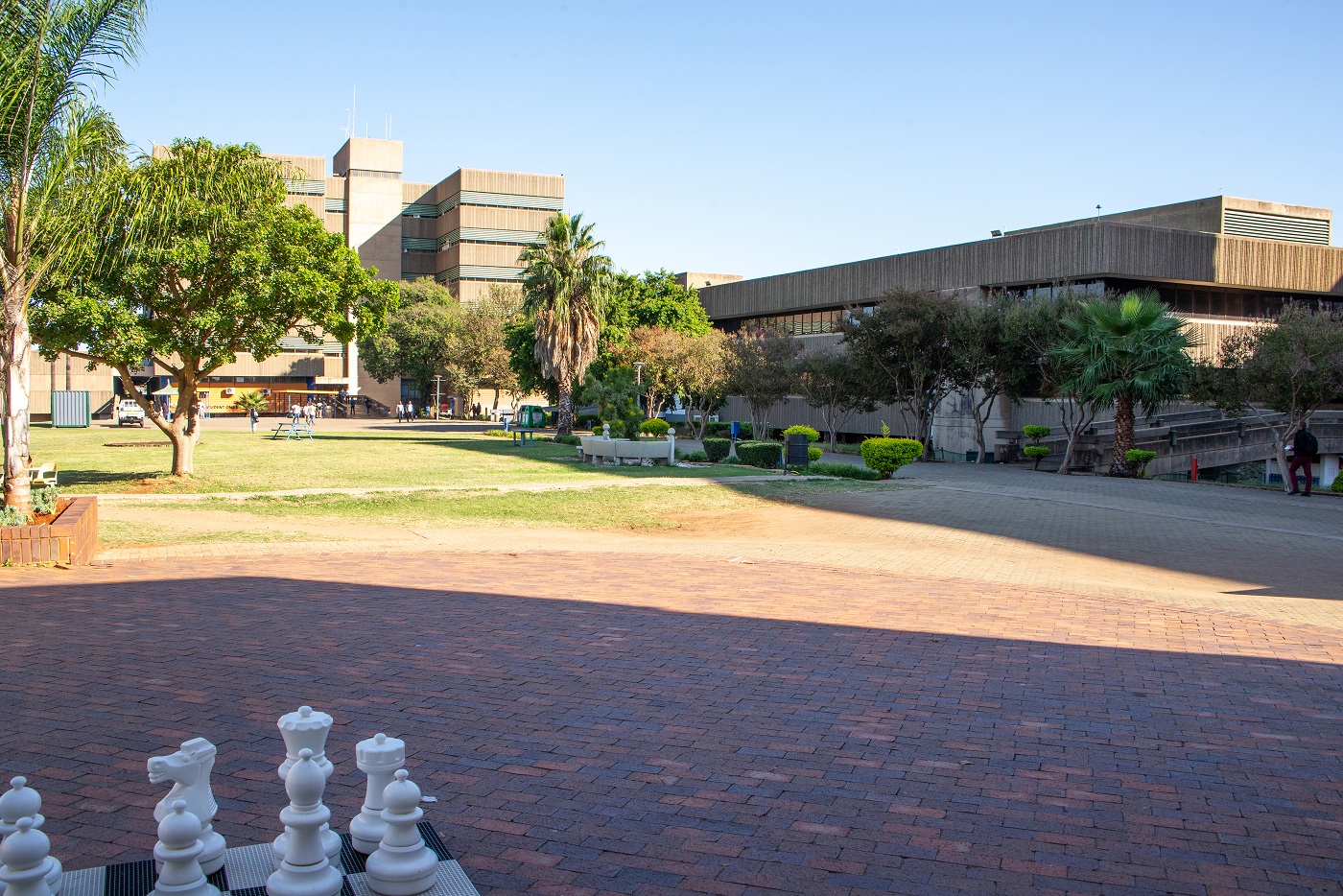 Ranked within the 1201–1500 band globally and 11th in South Africa, SMU’s consistent upward trajectory signals a university steadily strengthening its academic reputation, global partnerships, and research impact. The 2026 edition of the rankings evaluated 2 192 universities across 120 countries, making SMU’s continued inclusion an emblem of academic endurance and international relevance in an increasingly competitive higher education landscape.
Building a globally competitive health sciences institution
Under the visionary leadership of its Vice-Chancellor and Principal, Professor Tandi Matsha-Erasmus, SMU has redefined what it means to be a health sciences university in South Africa. Her strategic focus on excellence, collaboration, and global benchmarking has catalysed measurable growth across key performance pillars: Teaching, Research Environment, Industry Engagement, and International Outlook.
This year, SMU achieved a Teaching score of 26.0 and a Research Quality score of 42.7, underscoring both the calibre of its academic environment and the relevance of its research to societal and scientific advancement. Most notably, the university’s International Outlook score rose to 50.0, reflecting its expanding global footprint and sustained partnerships with institutions and research networks worldwide.
Matsha-Erasmus described the performance as “a reflection of a university that is intentional about transformation through scholarship, excellence and impact.” In an environment where rankings increasingly measure global competitiveness, SMU’s growth is not merely statistical; it symbolises transformation through intentional leadership.
The university demonstrated improvement in almost every category assessed by THE. Its overall score rose from 25.2–30.6 in 2025 to 27.3–32.0 in 2026, while Industry Income increased from 18.3 to 19.2, highlighting stronger engagement between academia and industry. The Research Environment score also advanced to 11.1, a nod to investments in research infrastructure, mentorship, and postgraduate support.
These achievements, though measured numerically, tell a broader story of academic ambition and institutional renewal, one grounded in the belief that health sciences education must drive innovation, equity, and impact beyond national borders.
SMU’s Research Quality pillar remains among its strongest. With a score of 42.7, it reflects the university’s commitment to producing impactful, peer-recognised scholarship that addresses Africa’s most pressing health challenges—from infectious diseases to non-communicable conditions that define the continent’s epidemiological landscape.
The university’s strategic partnerships with global research consortia and its emphasis on evidence-based healthcare innovation continue to position it as a crucial node in the global knowledge ecosystem. “Our mission has always been to ensure that research translates into solutions,” says Matsha-Erasmus. “Each publication, partnership and postgraduate graduate must ultimately contribute to healthier, more equitable societies.”
Benjamin Ntshabele, Institutional Researcher, adds: “At its core, SMU is steadily growing and cementing its place as one of the leading health sciences universities both locally and globally. Beyond its continued progress in teaching and learning, with a stronger and more dynamic learning environment, the university’s biggest strength lies in its expanding International Outlook. This growth reflects meaningful progress in collaboration and in staff and student mobility, laying a solid foundation for building a global reputation and boosting research impact.”
Ntshabele further states: “Research Quality remains a key area of strength, with SMU’s publications and citation impact continuing to make a mark. Industry engagement is gaining momentum, showing stronger partnerships and real-world impact. Meanwhile, the Research Environment is showing steady, positive movement — a clear sign of ongoing investment in research capacity and support.”
A rising star among South African universities
SMU’s performance reflects a story of resilience and renewal. Competing alongside research giant universities, SMU’s steady climb demonstrates that institutional excellence is not defined by age or size, but by strategic focus, data-driven management, and the will to lead.
The university continues to outperform its weight in International Outlook, a metric that measures international staff, students, and research collaboration. Its upward movement in this category signals growing recognition of SMU as a partner of choice for global health research and training collaborations.
The 2026 results are both an achievement and a call to action. SMU’s journey towards becoming a premier African health sciences university is accelerating, driven by its mission to produce world-class health sciences professionals and transformative research.
*By Tshimangadzo Mphaphuli
by Lorato | Jun 20, 2025 | All News
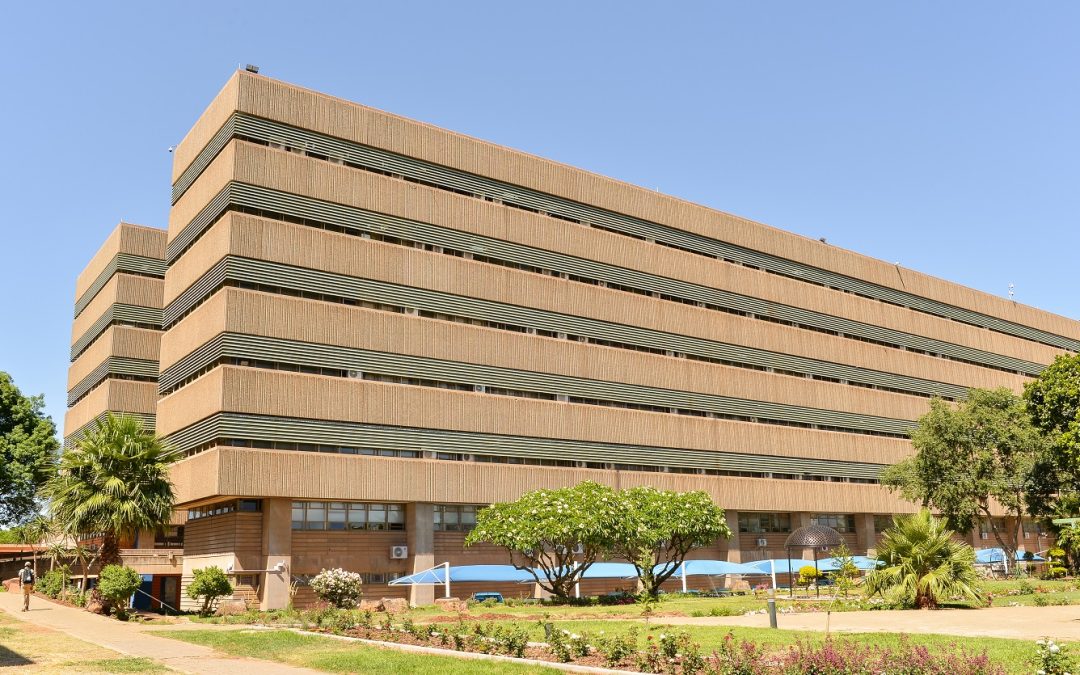
Sefako Makgatho Health Sciences University (SMU) has made a landmark entry into the 2025 Times Higher Education (THE) Impact Rankings, which were released in 18 June 2025, marking a major turning point in its global profile as a health sciences institution committed to sustainable development and social impact.
 For the first time, SMU participated in the global THE Impact Rankings, which assess how universities contribute to the United Nations Sustainable Development Goals (SDGs). SMU was ranked in the 1001–1500 global band out of 2,318 institutions worldwide, with a commendable overall score of 56.4. This places SMU 10th among 13 ranked South African universities.
“Our debut in the global sustainability rankings is a strategic signal of intent,” says Benjamin Ntshabele, Institutional Researcher. “It shows that SMU is not only a national asset but an emerging global contributor to health, education and social transformation.”
Delivering impact in health and education
SMU entered four SDG categories aligned with its academic mission and institutional strengths:
- SDG 3: Good Health and Well-being
- SDG 4: Quality Education
- SDG 8: Decent Work and Economic Growth
- SDG 17: Partnerships for the Goals
The university’s strongest performance was in SDG 3 and SDG 4, where it ranked in the 301–400 band globally — a competitive position that reflects the institution’s growing relevance on the world stage. In fact, SMU’s scores in both categories were above the global 75th percentile, confirming that SMU is delivering measurable impact in training healthcare professionals and improving educational access.
Standout metrics include:
- A 96.6% score in the number of students graduating in health professions (SDG 3)
- An 82.1% score for first-generation student participation (SDG 4)
- A 96.1% score in the proportion of students taking work placements (SDG 8)
While SMU’s performance in SDG 3 and 4 underscores its core strengths, results in SDG 8 (38.4%) and SDG 17 (51.0%) reveal areas for growth, particularly in economic research, sustainable employment practices, and SDG reporting.
To address these, SMU is taking deliberate steps to strengthen:
- Investment in workforce development and research outputs
- Integration of SDG themes into the curriculum
- Strategic partnerships that advance global development goals
- Institutional transparency in sustainability metrics
“Our next frontier is to broaden our SDG participation and deepen our institutional systems around impact reporting and global collaboration,” Ntshabele adds.
A university on the rise
SMU’s participation in the 2025 THE Impact Rankings is more than symbolic. It’s a bold affirmation of its growing stature as a university that is not only academically focused but socially accountable.
As the global higher education sector increasingly values real-world impact, SMU is laying the foundation to become a leading African health sciences university with a global conscience.
“This is just the beginning. The rankings validate our contribution to national development, and we are ready to take our place among globally impactful universities,” Ntshabele concludes.

by Lorato | Jan 21, 2025 | All News, SMU Media, Student Media
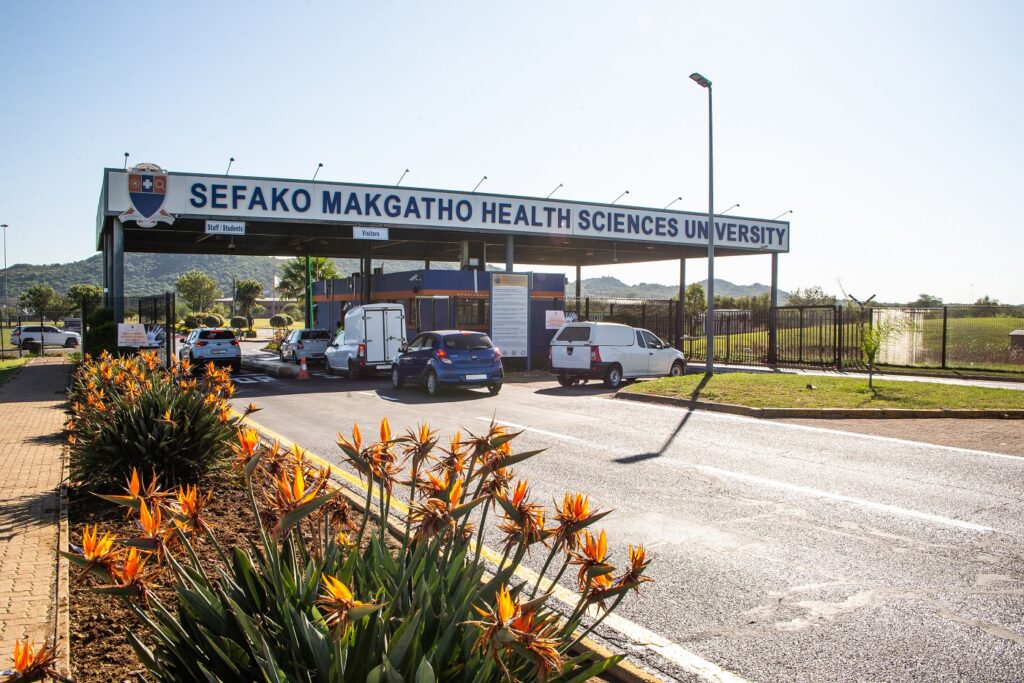
As Sefako Makgatho Health Sciences University (SMU) gears up for the 2025 academic year, the past year has been one of remarkable achievements, further solidifying its position as a premier institution in health sciences education. From groundbreaking research by academic staff and accolades earned by students to notable career advancements among alumni, SMU has made significant strides in fostering a transformative environment. These accomplishments reflect SMU’s commitment to excellence and innovation, marking the university as a beacon of academic excellence. Here are ten reasons why SMU is a standout institution in the realm of health sciences:
1. High-Calibre Academic Staff
SMU boasts an accomplished team of academic professionals who bring a wealth of expertise and dedication to teaching, research, and service. Their commitment to fostering the next generation of health leaders is evident in both their professional achievements and unwavering support for students.
2. Innovative Research Initiatives
The university is at the forefront of research in health sciences, focusing on areas that address pressing healthcare needs in South Africa and beyond. Research led by SMU faculty and students is creating meaningful impact, particularly in community health and healthcare access.
3. Student Success and Recognition
SMU students are frequently recognised for their leadership, innovation, and academic achievements. From excelling in national competitions to engaging in social advocacy, our students exemplify the values and aspirations of SMU.
4. Strong Alumni Network
The university’s alumni are making strides in the healthcare sector, both locally and internationally. Their accomplishments and contributions to the field serve as an inspiration to current students and a testament to the quality of education at SMU.
5. Comprehensive Health Sciences Programmes
SMU offers a wide range of programmes that cater to the diverse needs of the health sector. From medicine and nursing to public health and biomedical sciences, our curriculum is designed to equip students with the skills and knowledge required for success in today’s healthcare environment.
6. Commitment to Community Health
One of SMU’s core values is service to the community. The university encourages students and staff to participate in outreach initiatives that provide essential healthcare services to under-resourced communities, fostering a culture of compassion and responsibility.
7. Cutting-Edge Facilities and Resources
SMU’s state-of-the-art facilities include advanced laboratories, simulation centres, and a medical library, offering students access to the resources they need to excel in their studies. These facilities support a hands-on learning approach, preparing students for real-world challenges.
8. Focus on Diversity and Inclusion
The university takes pride in fostering a diverse and inclusive environment, welcoming students from a variety of backgrounds. This commitment enriches the learning experience and prepares students to work effectively in diverse healthcare settings.
9. Strategic Industry Partnerships
SMU has cultivated partnerships with leading healthcare providers, research institutions, and industry players. These collaborations provide students with valuable exposure to the healthcare industry through internships, research opportunities, and hands-on experiences.
10. Global Recognition and Rankings
SMU continues to achieve recognition in national and international rankings, reflecting the institution’s commitment to quality education and research. The university’s focus on excellence ensures that graduates are well-respected within the healthcare community.
With these attributes and achievements, SMU remains a distinguished institution, providing students with an education that is not only rigorous but also socially relevant. The university’s forward-thinking approach equips graduates to make meaningful contributions to the healthcare sector, shaping a healthier future for all.

by Lorato | Oct 10, 2024 | Accolades and Achievements, All News, SMU Media, Student Media
In a groundbreaking achievement coinciding with its 10th anniversary, Sefako Makgatho Health Sciences University (SMU) has solidified its position as one of South Africa’s leading higher education institutions by securing the 10th spot in the prestigious Times Higher Education (THE) World University Rankings 2025. This accomplishment marks a new era for SMU, showcasing its rapid ascent within the competitive field of health sciences, signalling its growing influence on the global stage, and cementing the university’s status as a health science powerhouse.
 SMU’s rise in the rankings comes hot on the heels of its impressive performance in the 2024 Webometrics Rankings, where it placed 18th nationally. Now, having cracked the top 10 in the most prestigious and competitive university rankings, SMU is positioned as a dynamic and influential force in higher education. This remarkable achievement is especially notable as SMU competes against long-established institutions, further underscoring the impact the university is making within a relatively short time.
The Times Higher Education World University Rankings 2025 evaluated more than 2,000 institutions from 115 countries, employing a comprehensive methodology that includes 18 finely tuned performance indicators. These criteria assess universities across key areas such as teaching, research quality, industry engagement, and international outlook, making the rankings one of the most respected measures of global academic performance.
 Professor Bassy Marvey, SMU’s Director of Institutional Planning, attributes this success to the university’s strategic focus on raising its local and global visibility and reputation. “This remarkable achievement, coinciding with our 10th anniversary, reflects the collective dedication of our staff and students. Their commitment has propelled SMU into the ranks of the nation’s best universities. We are also grateful for the dedication of our Institutional Researcher, Ben Ntshabele, whose ongoing collaboration with ranking bodies contributes to such accomplishments,” says Marvey.
SMU’s success extends beyond the general university rankings, with standout performances in subject-specific rankings. Nationally, SMU ranks 7th in Medicine and Dentistry and other health-related subjects and 8th in Biological Sciences, Chemistry, Computer Science, and Psychology. On the global stage, SMU is placed in the 1201-1500 band, sharing the spotlight with leading institutions such as the University of South Africa and the Durban University of Technology.
 The university’s rise in the rankings was further celebrated by Dr Nobuhle Nkabane, the Minister of Higher Education, who praised SMU for its exceptional progress during a speech delivered at the 3rd Higher Education Conference, organised by Universities South Africa (USAf). “I am delighted to see two newcomers in the rankings—Sefako Makgatho Health Sciences University, led by Professor Peter Mbati, and the University of Fort Hare under Professor Sakhela Buhlungu. Congratulations to both institutions for their remarkable achievements,” said Nkabane.
As SMU continues to grow its reputation in health sciences, this milestone reflects its commitment to pioneering innovation in healthcare education and research. With a student-centred approach and a focus on global excellence, SMU is rapidly carving out its place among the world’s most respected universities, a point of pride for its students, staff, and alumni.

by Lorato | Nov 20, 2025 | Accolades and Achievements, All News, SMU Media, Student Media
In a year defined by strategic reinvention and unprecedented momentum, Sefako Makgatho Health Sciences University (SMU) has entered the national spotlight with its first-ever accolade from the prestigious Marketing, Advancement and Communication in Education (MACE) Excellence Awards. The recognition marks not only a milestone for the Communications and Public Relations Unit but also a defining moment in the university’s evolving institutional identity.
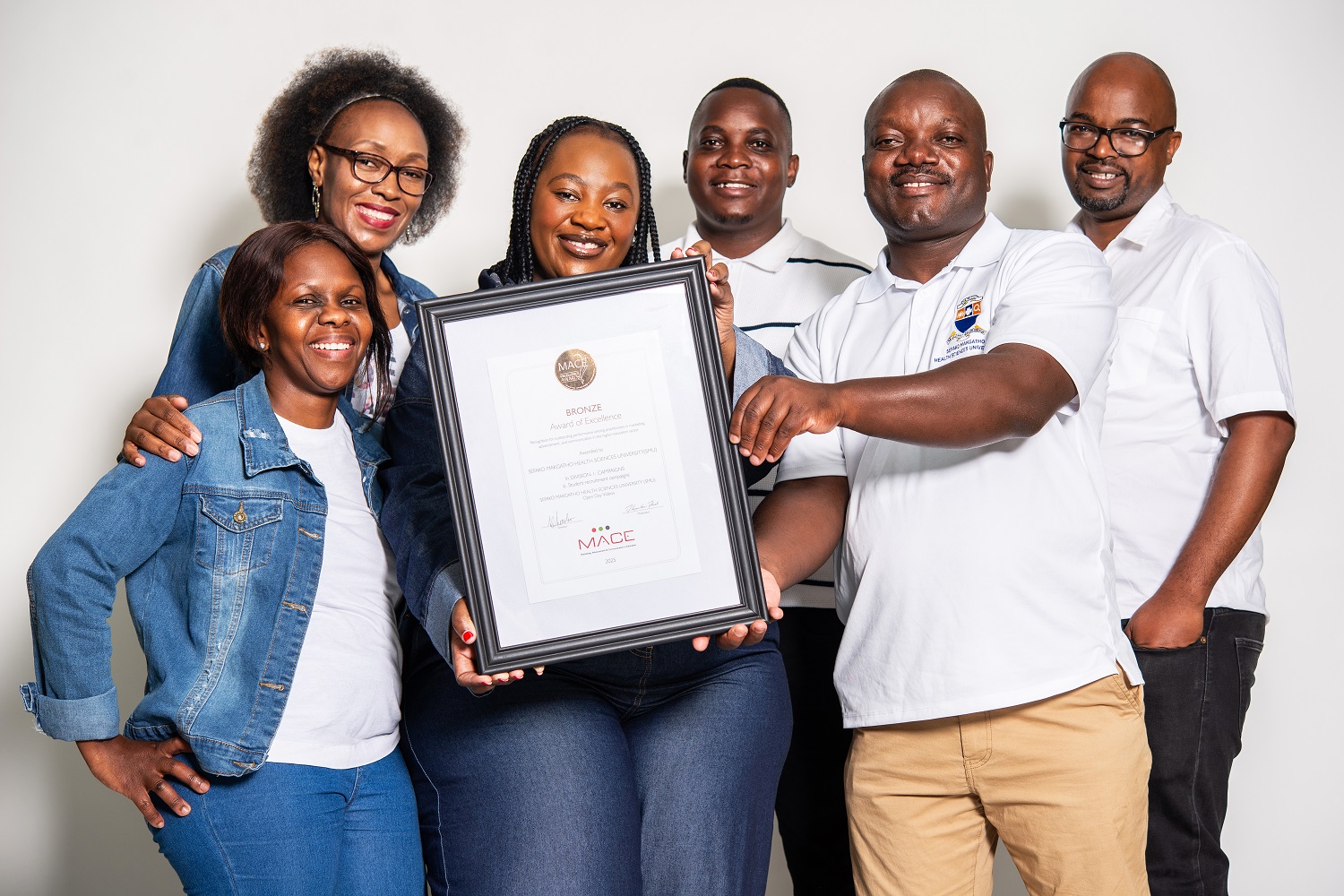 MACE, the sector’s leading professional body for higher-education communicators across Southern Africa, celebrates innovation, strategic excellence and impactful storytelling. Its awards are widely regarded as the sector’s highest honour, recognising institutions that demonstrate distinction in brand positioning, engagement and advancement. For SMU, competing among 26 universities, this achievement signals a shift in the university’s competitive posture and brand maturity.
This recognition emerges from a year in which the Communications and Public Relations Unit underwent a remarkable transformation, reshaped through refined processes, elevated outputs and a clarified strategic purpose. Since assuming leadership in October 2024, Tshimangadzo Mphaphuli, Manager: Communications and Public Relations, has guided a deliberate repositioning of the unit anchored in rigorous storytelling, institutional clarity and competitive brand visibility. It has been, in many ways, a re-awakening of SMU’s voice.
Reflecting on the achievement, Mphaphuli says: “When I assumed duty, I knew that SMU possessed an extraordinary story—rich, rigorous and rooted in purpose. My vision has always been to craft a brand presence that mirrors the calibre of our academic excellence, our people and our impact. This award signals that our voice is now resonating beyond our borders, and we are only getting started.”
Under her leadership, the unit delivered some of the institution’s most sophisticated communication outputs to date. Institutional publications were revitalised into rich, editorially strong, visually compelling assets that reflected SMU’s academic prestige and social impact. Digital communication experienced its strongest year yet, with engagement rising by nearly 50%, follower growth accelerating significantly, and search engine optimisation positioning SMU among South Africa’s most visible health-sciences brands. These gains, achieved through disciplined strategy and a commitment to excellence, created the foundation for the national recognition the university celebrates today.
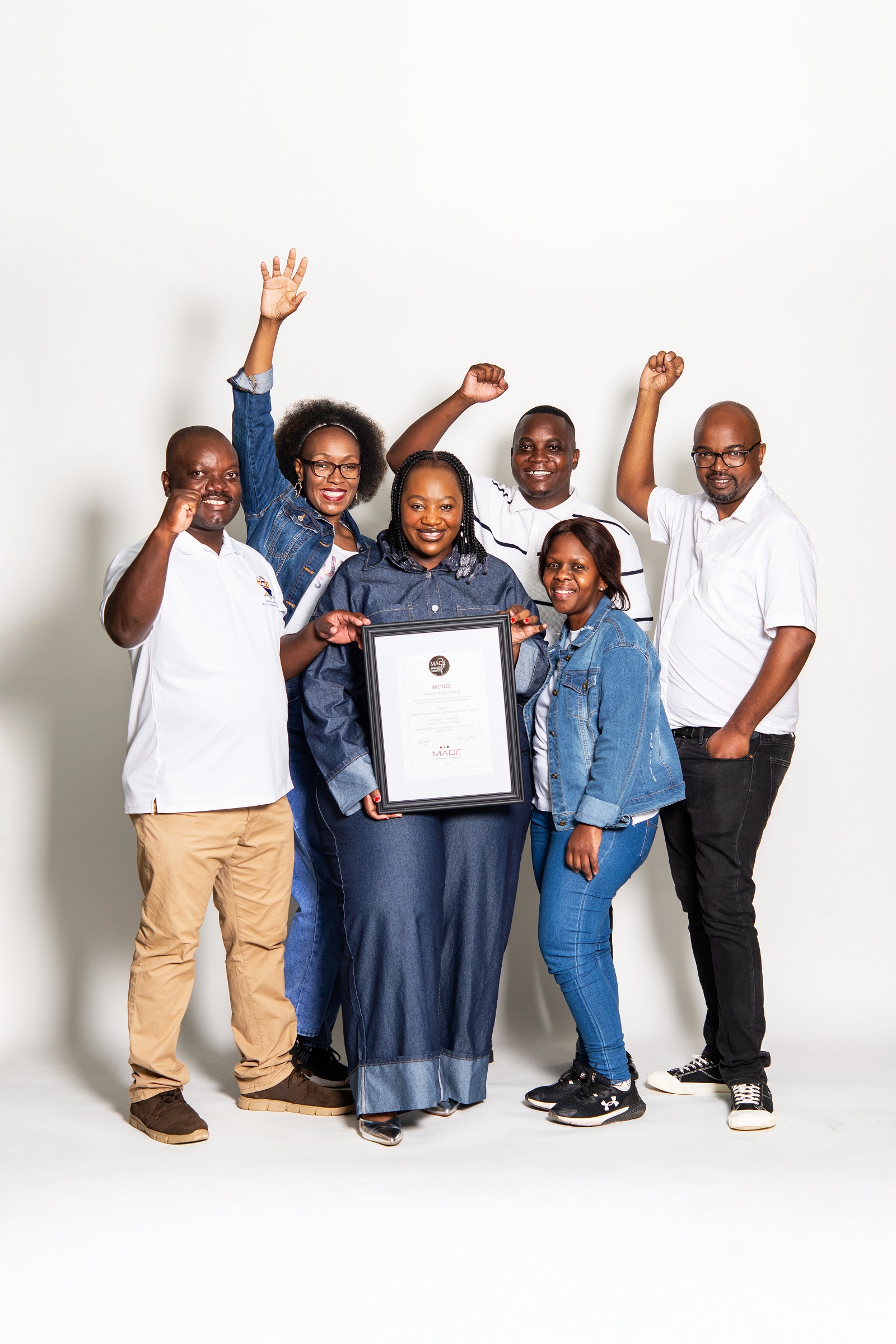 But the triumph belongs equally to the team whose collective dedication sharpened SMU’s communications edge. Public Relations Officer Tumelo Moila notes that the award reflects a relentless pursuit of agility. “We had to operate at the speed of the sector,” he explains. “Our work demanded creativity, instinct and a willingness to constantly stretch ourselves. This isn’t just a win, it’s a reflection of our readiness to compete nationally.”
Team member, Public Relations Officer, Dimakatso Modise, echoes this sentiment, emphasising the team’s evolution. “We became a unit that embraces complexity,” he says. “Our landscape shifts daily, and we’ve learned to shift with it—always with excellence at the centre of everything we produce.”
The excellence was not confined to written communication alone. The university’s visual language underwent a noticeable elevation under the creative direction of Graphic Designer Dineo Motshegare, whose artistry strengthened brand identity, event branding, and publication design throughout 2025. “Our role is to reflect SMU’s essence visually, emotionally and with precision,” she shares. “Design became a strategic enabler, not an accessory. This recognition validates that approach,” adds Motshegare.
The surge in online visibility was also powered by meticulous web optimisation and digital stewardship led by Web Editor Lorato Molubi, who ensured that SMU’s online platforms aligned with global accessibility, SEO, and content consistency standards. “We focused on making SMU discoverable, authoritative and trustworthy in the digital space,” she explains. “Seeing our SEO rankings climb was proof that our digital storytelling is resonating.”
Within the communications ecosystem, SMU FM’s contributions played a central role in strengthening internal communication and real-time storytelling on campus. “Radio became a conduit for immediacy and authenticity,” says Mpho Legodi.
Collaboration extended beyond the unit itself. In 2025, the Communications and Public Relations Unit worked closely with Student Recruitment Officer, Ntsheu Collins Mangena, to align recruitment messaging with the university’s broader brand narrative. “Strategic recruitment relies on strategic communication,” Mangena reflects. “By working hand-in-hand with the Communications & Public Relations Unit, we were able to position SMU in a way that spoke powerfully to prospective students and their parents. This award confirms the strength of that alignment.”
The achievement has been warmly welcomed by university leadership. Acting DVC: Operations, Odette Ramsingh, who oversees the unit’s strategic direction, praised the milestone as a significant accomplishment for SMU. “This award reflects the team’s collective effort in positioning the university’s reputation on a national scale, especially as the recognition comes against the backdrop of competing with 26 other universities. It is also a powerful affirmation of the excellence, creativity and dedication of our Communications and Public Relations team, whose strategic work continues to elevate SMU’s voice and presence. Their commitment to position SMU is central to achievements such as these.”
As SMU steps into 2026, the MACE recognition serves not merely as an award but as a marker of strategic excellence, in which the institution’s voice is sharper, its story more confidently told, and its reputation increasingly aligned with national and continental expectations for a modern health sciences university.
What began as an internal transformation has now entered the national stage. And with a unified team carrying forward a shared vision, SMU’s voice—once quiet—has become unmistakably resonant.